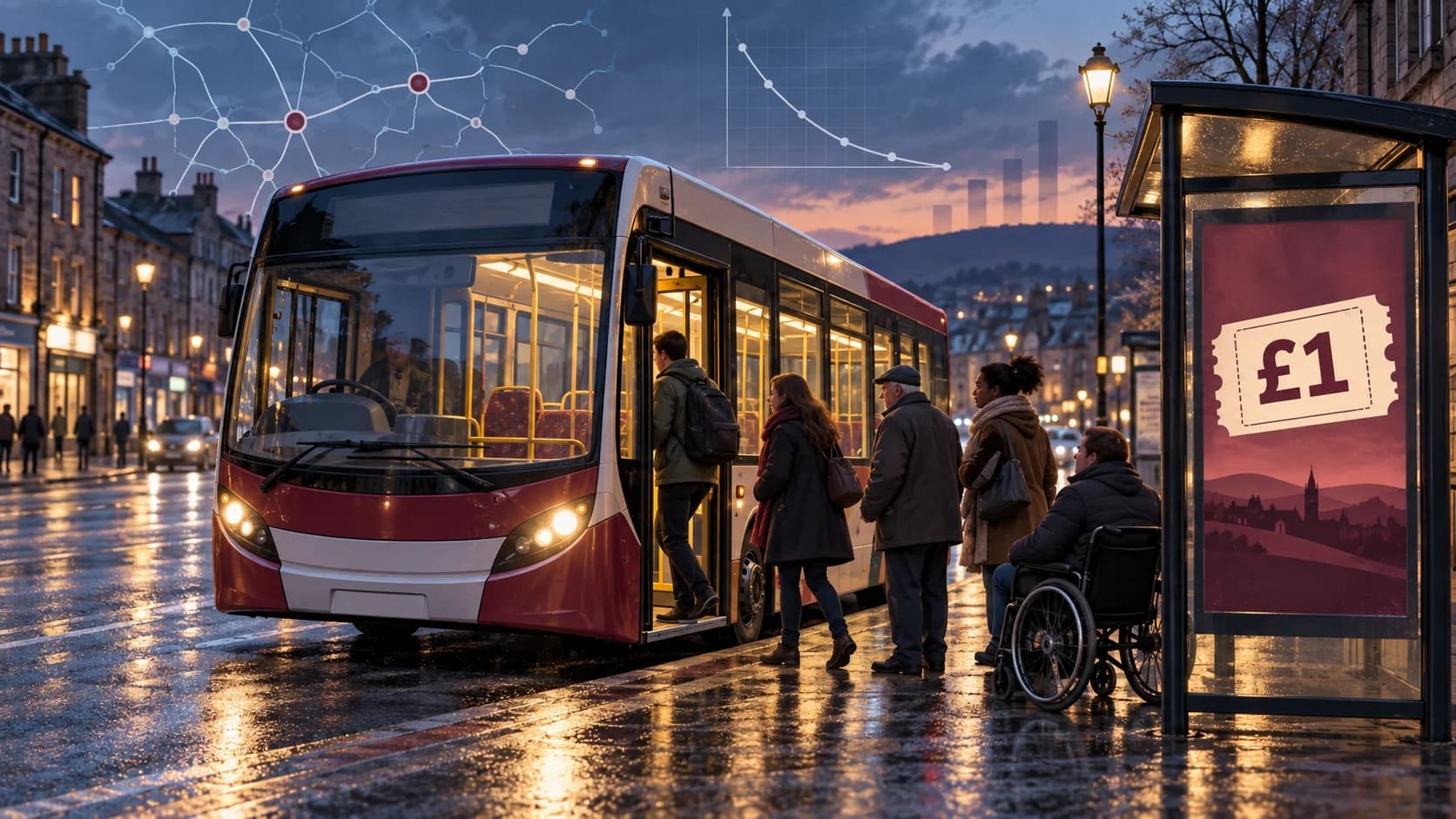
Commentary: Lancashire’s £1 Evening and Sunday Bus Fare Extension
Lancashire’s extension of the £1 evening and Sunday bus fare is welcome, but its long-term affordability should be tested through transparent mathematical modelling.
Exploring the intersection of optimization, public transport, and urban sustainability.

Lancashire’s extension of the £1 evening and Sunday bus fare is welcome, but its long-term affordability should be tested through transparent mathematical modelling.
Develop an MSCA or Newton postdoctoral fellowship application in transport, logistics or operations research with Dr Yu Jiang at Lancaster University.
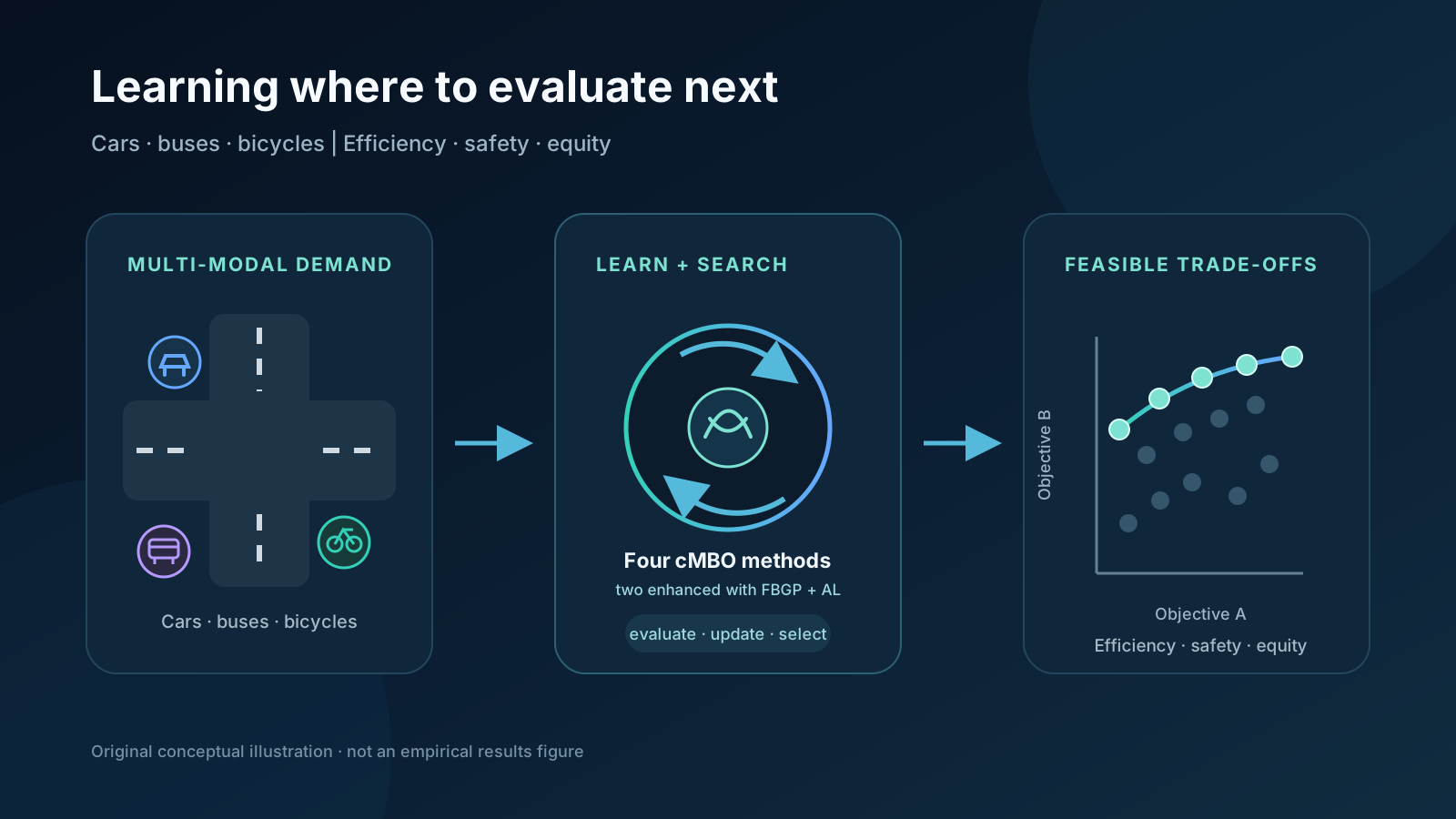
A new simulation-based framework searches for traffic-signal plans that balance efficiency, safety, and equity across private cars, buses, and bicycles.

A source-based review of selected public transport decisions, plans and implemented actions during Andy Burnham’s period in office.

How a novel bi-level optimization and Adaptive Large Neighborhood Search (ALNS) framework addresses the emerging challenge of online time slot booking in home healthcare routing.

A new bi-level optimisation and Bayesian framework identifies the full Pareto frontier of regulatory trade-offs between passengers, drivers, platforms, and government in coupled ridesourcing and taxi markets.

Fusing multisource transit data into a unified data pipeline that diagnoses service problems and prescribes evidence-based improvements through stochastic optimisation.

Introducing the Inverse-Square Rule: a mathematical breakthrough that transforms bus timetable optimization, achieving 36-45% cost reductions where traditional solvers fail.

TfL's proposed cuts to routes 19, 38, 259, and 349 reveal a critical gap between operational efficiency and network science. This is not just budgeting—it's a bi-level optimization challenge that demands rigorous mathematical modeling.

Lancashire’s extension of the £1 evening and Sunday bus fare is welcome, but its long-term affordability should be tested through transparent mathematical modelling.
Develop an MSCA or Newton postdoctoral fellowship application in transport, logistics or operations research with Dr Yu Jiang at Lancaster University.
A new simulation-based framework searches for traffic-signal plans that balance efficiency, safety, and equity across private cars, buses, and bicycles.

A source-based review of selected public transport decisions, plans and implemented actions during Andy Burnham’s period in office.
Wales's new government is betting on bus franchising and fleet modernisation as the backbone of its transport strategy. A reflection on the optimisation challenges ahead.

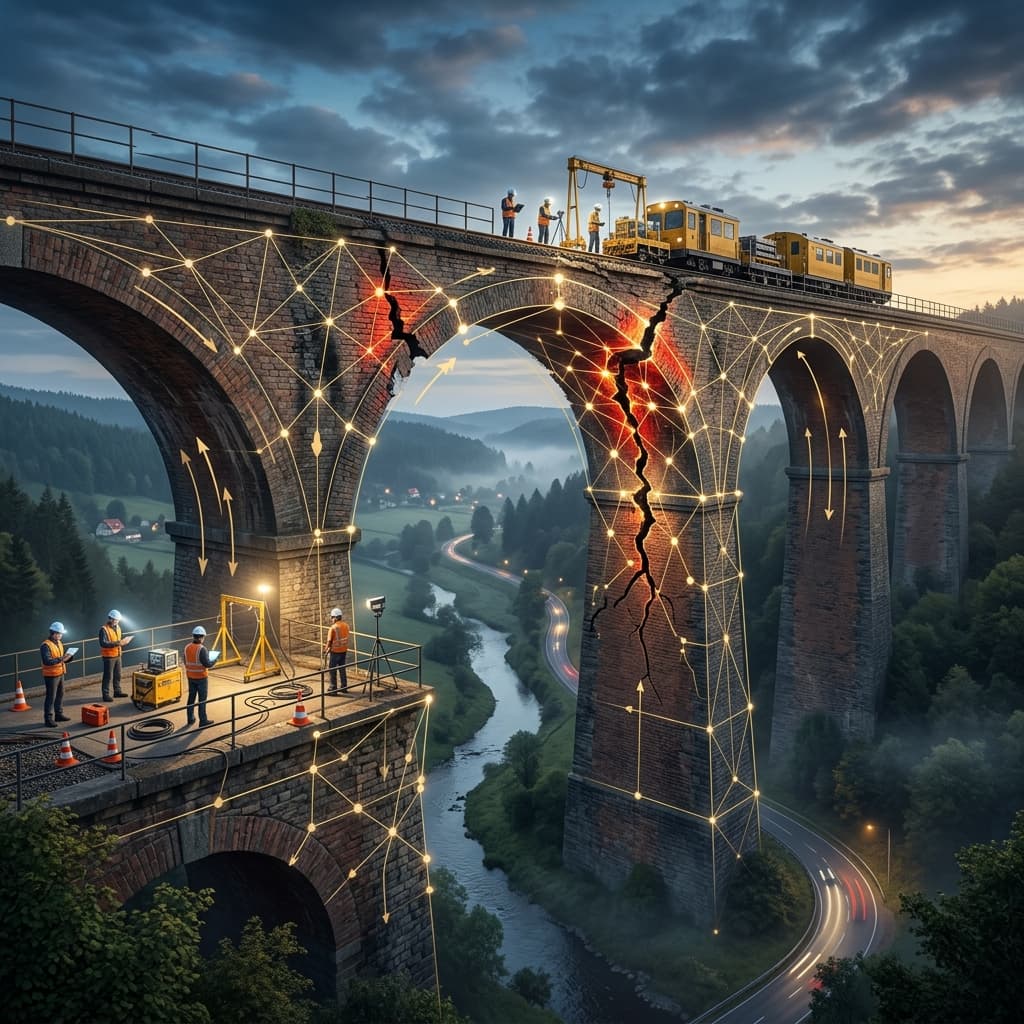
A sudden infrastructure failure near Purley stranded thousands of Gatwick travelers, presenting a classic real-time network resilience and bus bridging challenge.

How a novel bi-level optimization and Adaptive Large Neighborhood Search (ALNS) framework addresses the emerging challenge of online time slot booking in home healthcare routing.

A new bi-level optimisation and Bayesian framework identifies the full Pareto frontier of regulatory trade-offs between passengers, drivers, platforms, and government in coupled ridesourcing and taxi markets.

Fusing multisource transit data into a unified data pipeline that diagnoses service problems and prescribes evidence-based improvements through stochastic optimisation.

Transforming carbon reporting from a retrospective compliance burden into a prospective strategic asset using Large Language Models and Stochastic Optimization.
Young Scots save hundreds on bus travel compared to the rest of the UK. But the real story isn't just about money—it's about how fare policy shapes long-term travel behavior and sustainable mobility choices.

Introducing the Inverse-Square Rule: a mathematical breakthrough that transforms bus timetable optimization, achieving 36-45% cost reductions where traditional solvers fail.
Rising rail revenue is reducing government subsidy, but is a simple fare hike the right strategy? My research suggests understanding passenger behavior and demand elasticity is key to financial equilibrium.

TfL's proposed cuts to routes 19, 38, 259, and 349 reveal a critical gap between operational efficiency and network science. This is not just budgeting—it's a bi-level optimization challenge that demands rigorous mathematical modeling.
Addressing the power grid bottleneck in London's electric bus transition through Integrated Bus and Charging Schedule Optimization.
A deep dive into recent public transport overhauls and the optimization challenges behind frequency vs coverage trade-offs.

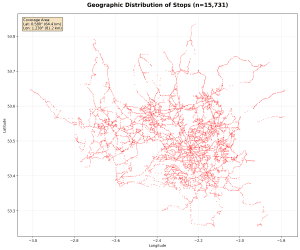
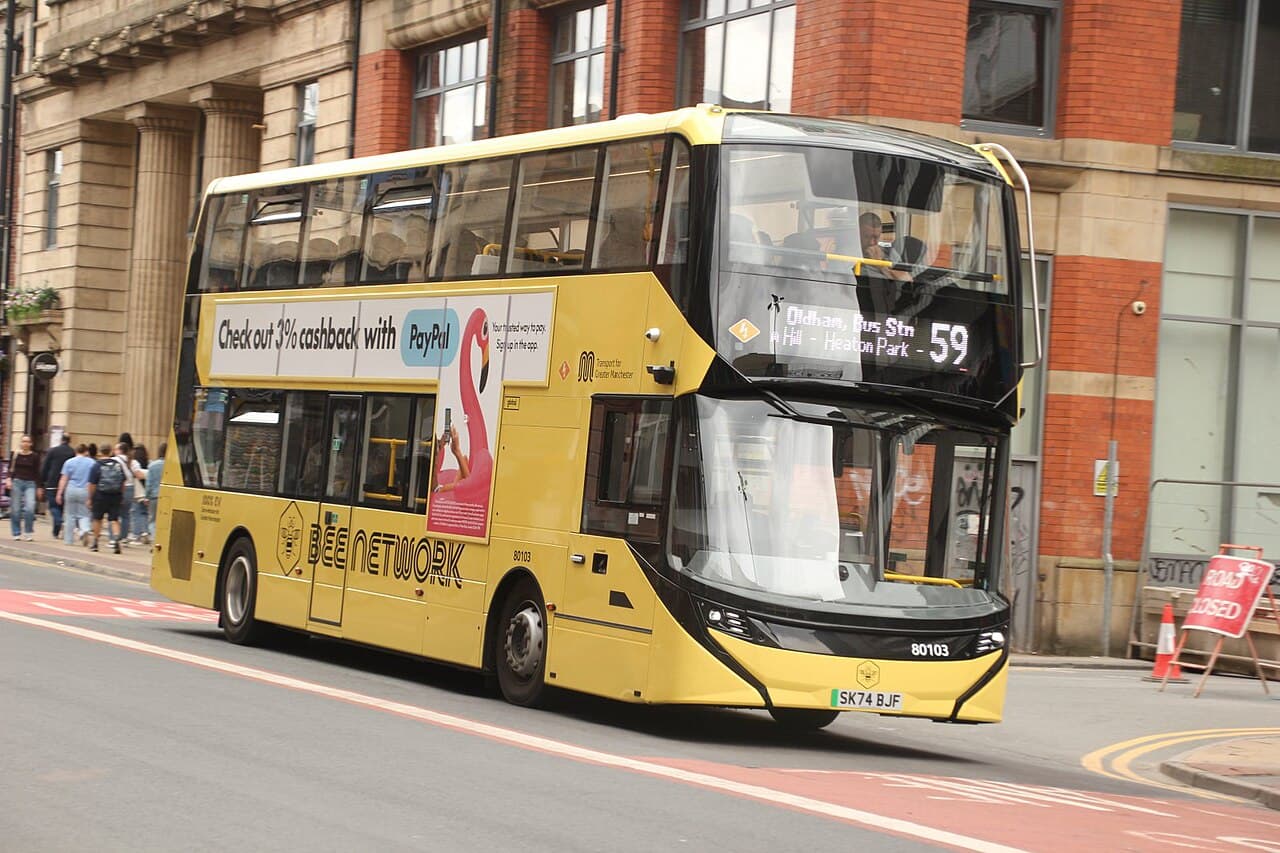
Overview of the Manchester Bee Network with data-driven insights to improve patronage and mode share.